The short answer: IPS LCD is generally better than standard TFT LCD for most smartphone users because it offers wider viewing angles, more accurate colors, and better overall visual quality. However, TFT LCD screens are more affordable and can still deliver solid performance in budget devices.
To understand which one is truly better for your needs, it’s important to know what these technologies are, how they work, and where each one excels.
What Is a TFT LCD Screen?
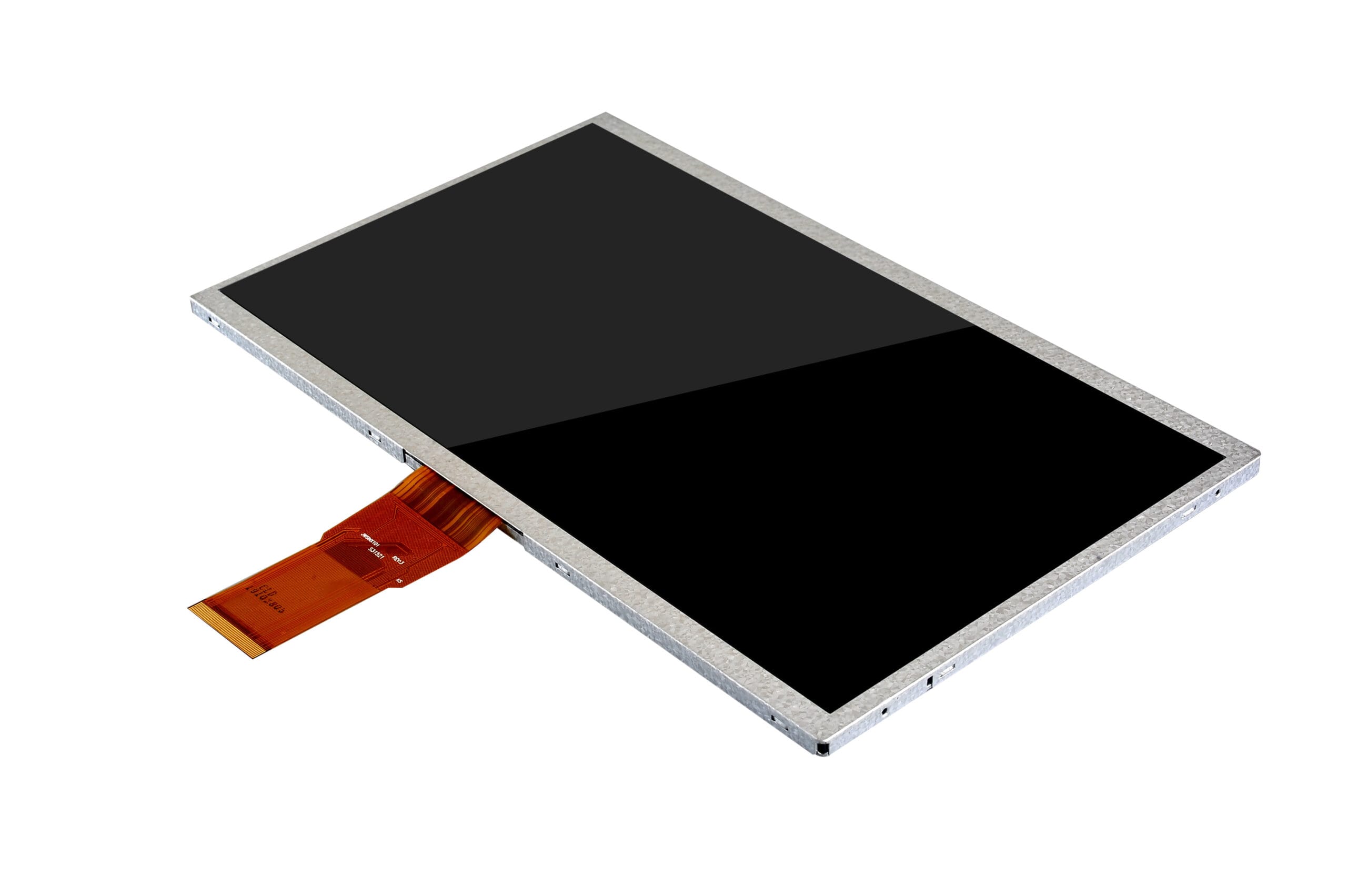
TFT stands for Thin-Film Transistor. A TFT LCD is a type of liquid crystal display that uses thin-film transistor technology to control individual pixels.
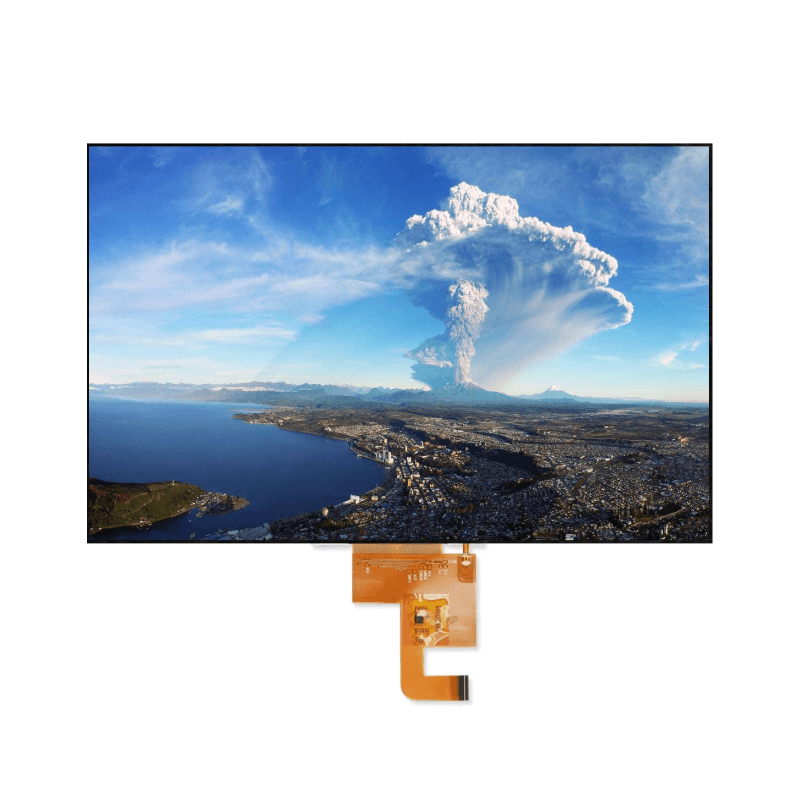
In fact, most modern LCD screens use TFT technology. However, in the mobile industry, “TFT screen” usually refers to a standard TN (Twisted Nematic)-based LCD panel that uses TFT backplane technology.
How TFT LCD Works
A TFT LCD screen consists of:
- A backlight module (usually LED)
- Liquid crystal layer
- Color filters (RGB)
- Thin-film transistors controlling each pixel
When voltage is applied to a transistor, it adjusts the alignment of liquid crystals. This controls how much light passes through each pixel, creating images on the screen.
Advantages of TFT LCD
- Lower production cost
- Fast response time
- Simple manufacturing process
- Suitable for entry-level smartphones
Disadvantages of TFT LCD
- Narrow viewing angles
- Weaker color accuracy
- Lower contrast compared to IPS
- Colors may shift when viewed from the side
What Is an IPS LCD Screen?
IPS stands for In-Plane Switching. IPS is an advanced type of LCD technology developed to overcome the limitations of traditional TN-based TFT displays.
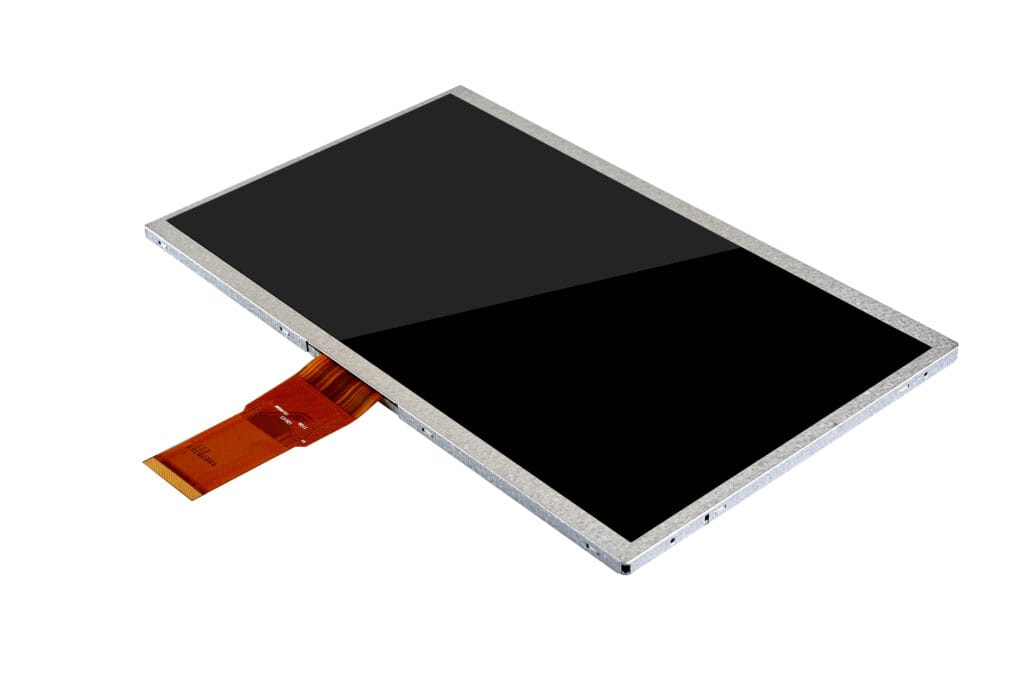
IPS panels still use TFT transistors, but they differ in how the liquid crystals are aligned and switched.
How IPS LCD Works
In IPS panels, liquid crystals move parallel to the display surface (in-plane switching), rather than twisting vertically like in TN panels.
This structure improves:
- Viewing angle stability
- Color consistency
- Image clarity
The result is a more accurate and uniform display performance, especially when viewed from different angles.
Advantages of IPS LCD
- Wide viewing angles (up to 178°)
- Better color reproduction
- More stable image quality
- Higher contrast performance
Disadvantages of IPS LCD
- Slightly higher power consumption
- Higher production cost
- Typically thicker than some other display types
TFT vs IPS LCD: Key Differences Comparison
| Feature | TFT LCD (TN-based) | IPS LCD |
|---|---|---|
| Viewing Angle | Narrow (color shift at angles) | Wide (minimal color shift) |
| Color Accuracy | Moderate | High |
| Contrast | Standard | Better contrast consistency |
| Brightness | Good | Good to Very Good |
| Power Consumption | Lower | Slightly higher |
| Cost | Low | Moderate |
| Response Time | Fast | Slightly slower (but optimized in modern panels) |
| User Experience | Basic | Premium-level visual quality |
Which One Should You Choose?
The right choice depends on your priorities.
Choose TFT LCD if:
- You are manufacturing or buying budget smartphones
- Cost control is the top priority
- The device is used for basic tasks (calls, messaging, simple apps)
- Display viewing angle is not critical
Choose IPS LCD if:
- You want better image quality
- The device is used for gaming, streaming, or social media
- Color accuracy matters
- You are targeting mid-range or high-end markets
In most modern smartphones, IPS LCD has largely replaced standard TFT panels because user expectations for display quality have increased significantly.
When Does TFT Still Make Sense?
TFT LCD screens are still widely used in:
- Entry-level smartphones
- Feature phones
- Industrial handheld devices
- POS terminals
- Low-cost consumer electronics
If your application prioritizes cost efficiency over display refinement, TFT remains a practical solution.
Practical Considerations for Mobile Brands and OEMs
For manufacturers and sourcing teams, the decision often depends on:
- Target market positioning
- BOM (Bill of Materials) budget
- Screen size requirements
- Power consumption limits
- End-user expectations
If your product is positioned as cost-effective and durable, TFT is acceptable. If display experience is part of your competitive advantage, IPS is the better investment.
Conclusion
While both TFT and IPS LCD screens use similar underlying LCD technology, IPS panels clearly offer superior viewing angles, color accuracy, and visual consistency. For most smartphone users and mid-range devices, IPS LCD is the better choice.
That said, TFT LCD still has value in cost-sensitive applications and entry-level devices. Ultimately, the “better” screen depends on your budget, performance requirements, and product positioning.
Frequently Asked Questions (FAQ)
1. Is IPS the same as TFT?
No. IPS is a type of TFT LCD technology. All IPS panels use TFT transistors, but not all TFT panels are IPS.
2. Is TFT LCD bad for smartphones?
Not necessarily. TFT LCD is suitable for entry-level smartphones. It simply offers fewer premium display features compared to IPS.
3. Does IPS consume more battery than TFT?
Generally, IPS panels may consume slightly more power due to their structure, but the difference in modern smartphones is relatively small.
4. Which screen is better for gaming, TFT or IPS?
IPS is better for gaming because it provides more stable colors and wider viewing angles, improving the overall visual experience.
5. Why are budget phones still using TFT screens?
Because TFT screens are more cost-effective to manufacture, helping brands keep device prices competitive in entry-level markets.