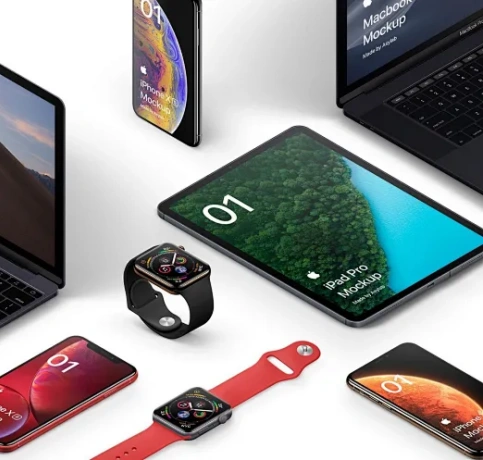
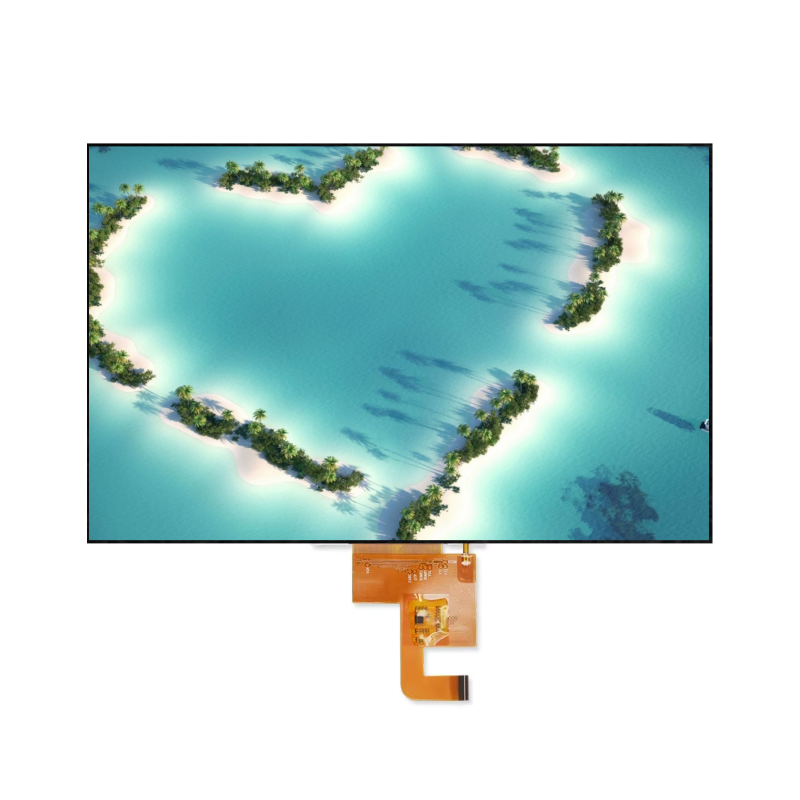
TFT (Thin-Film Transistor) displays are primarily used as the core visual interface in a vast array of modern electronic devices, ranging from smartphones, tablets, and laptops to automotive dashboards, medical imaging equipment, and industrial control panels. As an active-matrix liquid crystal display (AMLCD) technology, TFTs provide the high resolution, rapid response times, and vibrant color reproduction necessary for dynamic content, effectively serving as the standard for any application requiring sharp, real-time visual feedback.
The Ubiquity of TFT Technology
Since their commercial breakthrough in the early 1990s, TFT screens have become the backbone of the consumer electronics industry. Unlike their passive-matrix predecessors, which suffered from slow refresh rates and blurry motion, TFT technology assigns a dedicated transistor to every single pixel on the screen. This architecture allows for precise control over voltage, enabling each pixel to maintain its state until the next refresh cycle without crosstalk from neighboring pixels.
In the consumer sector, this translates to the crisp text on your laptop and the fluid video playback on your smartphone. In more specialized fields, the utility of TFTs expands further. In automotive applications, they power instrument clusters and infotainment systems where readability under varying light conditions is critical. In healthcare, high-end TFT panels are utilized in digital radiography and patient monitoring systems, where accurate color differentiation and high contrast ratios can be a matter of life and death. Industrial machinery also relies on ruggedized TFT modules to display complex data in factory environments, often enhanced with touch capabilities for intuitive user interaction.
Advantages Driving Adoption
The dominance of TFT displays is not accidental; it is the result of a specific set of advantages that align well with modern technological demands.
- Superior Image Quality: The active-matrix design ensures high contrast ratios and consistent brightness across the screen. Colors appear more saturated and accurate compared to older technologies, making TFTs ideal for photo and video editing.
- Fast Response Times: Because each pixel is actively driven, TFTs can switch states much faster than passive matrices. This eliminates the “ghosting” effect seen in fast-moving scenes, a crucial feature for gaming monitors and action movies.
- Scalability and Resolution: TFT manufacturing processes have matured to allow for incredibly high pixel densities (PPI). This enables the “Retina” class displays found in modern mobile devices, where individual pixels are indistinguishable to the human eye at normal viewing distances.
- Energy Efficiency (Relative to older LCDs): While not as efficient as OLEDs in displaying pure black, modern TFT variants like IPS (In-Plane Switching) and advanced backlighting systems (such as LED backlights) have significantly reduced power consumption, extending battery life in portable devices.
Limitations and Trade-offs
Despite their widespread adoption, TFT displays are not without their drawbacks, especially when compared to emerging technologies like OLED (Organic Light-Emitting Diode) and MicroLED.
- Viewing Angles: While IPS-TFT variants have largely solved this issue, standard TN (Twisted Nematic) TFT panels still suffer from color shifting and contrast loss when viewed from extreme angles. This can be a limitation in collaborative settings where multiple people need to view the screen simultaneously.
- Black Levels and Contrast: TFTs rely on a constant backlight. Even when a pixel is supposed to be black, some light inevitably leaks through the liquid crystal layer. This results in “grayish” blacks and a lower native contrast ratio compared to OLEDs, which can turn off individual pixels completely to achieve true black.
- Thickness and Weight: The requirement for a backlight unit and multiple filter layers makes TFT panels generally thicker and heavier than self-emissive alternatives. In the pursuit of ultra-slim device designs, this can be a constraint for engineers.
- Power Consumption Dynamics: Interestingly, TFT power consumption remains relatively constant regardless of the image displayed (since the backlight is always on), whereas OLED screens save significant power when displaying dark modes or black-heavy interfaces.
The Future Landscape
As we move further into the late 2020s, the role of TFT is evolving rather than disappearing. While OLED has taken the premium spot in high-end smartphones and televisions due to its perfect blacks and flexibility, TFT technology continues to dominate the mid-range market and large-format displays where cost-effectiveness and longevity are paramount. Innovations such as Mini-LED backlighting are breathing new life into TFT architectures, offering local dimming zones that rival OLED contrast levels without the risk of burn-in.
In essence, the TFT display remains the workhorse of the visual world. Its balance of performance, manufacturability, and cost ensures that it will continue to power our digital interactions for the foreseeable future, even as niche applications migrate to newer emissive technologies.