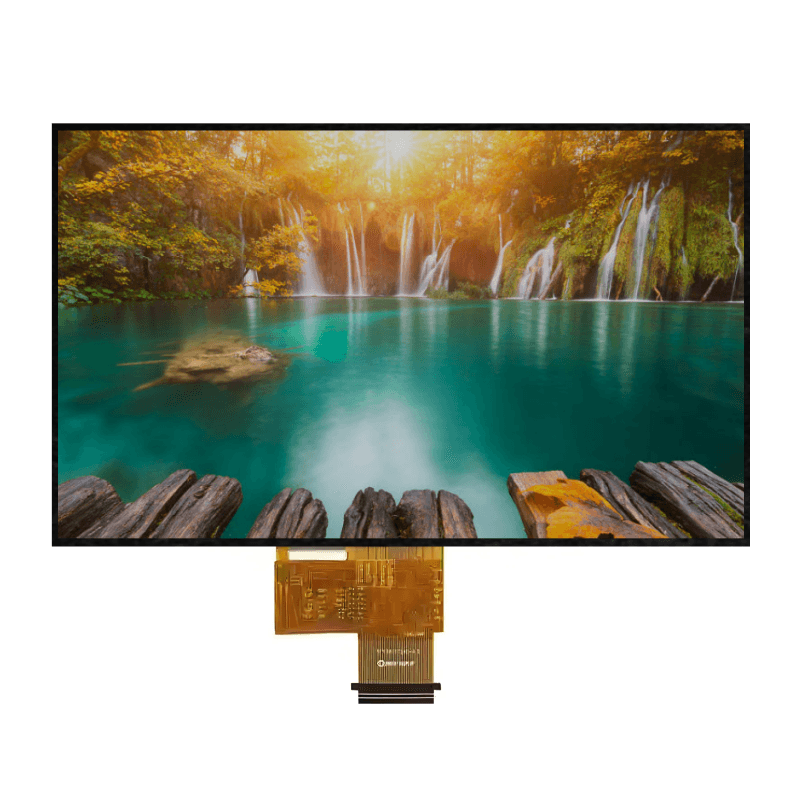
TFT LCD (Thin-Film Transistor Liquid Crystal Display) is a mature and widely used display technology that offers high resolution, stable performance, long lifespan, and excellent cost-efficiency.
However, it also has limitations such as lower contrast compared to OLED and higher power consumption than E-paper displays.
For industrial, medical, automotive, and embedded applications, TFT LCD remains one of the most reliable and practical display solutions available today.
What Is a TFT LCD Display?
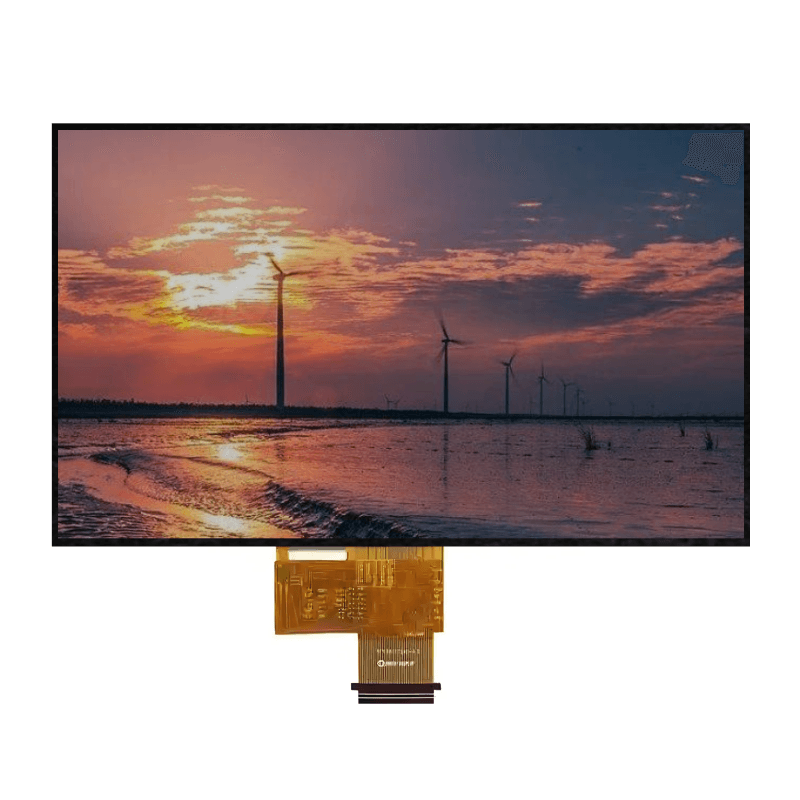
A TFT LCD is an active-matrix liquid crystal display that uses thin-film transistors to control each pixel individually. This structure allows precise voltage control, resulting in:
- Sharper images
- Faster response times
- Better color consistency
- Higher refresh rates
Unlike passive LCDs, TFT LCDs are suitable for dynamic graphics, video content, and complex user interfaces, making them ideal for modern electronic products.
Advantages and Disadvantages of TFT LCD
| Category | Advantages | Disadvantages |
|---|---|---|
| Image Quality | High resolution, sharp text, accurate colors | Lower contrast than OLED |
| Response Time | Fast response, smooth motion | Entry-level panels may show motion blur |
| Viewing Angle | IPS TFT offers wide viewing angles | TN TFT has limited viewing angles |
| Brightness | High brightness, sunlight-readable options available | Requires LED backlight |
| Power Consumption | Stable and predictable | Higher than E-paper |
| Reliability | Long lifespan, no burn-in risk | Backlight aging over time |
| Cost | Cost-effective for mass production | More expensive than mono LCD |
How to Choose the Right TFT LCD for Your Project
Choosing the right TFT LCD depends heavily on your application requirements.
1. Application Environment
- Industrial / Outdoor: High brightness, wide temperature range
- Medical Devices: High resolution, color accuracy
- Automotive: Anti-vibration, long lifespan
- Consumer Electronics: Slim design, cost optimization
2. TFT Panel Type
- TN TFT: Low cost, fast response
- IPS TFT: Wide viewing angles, superior color performance
- VA TFT: Higher contrast, balanced performance
3. Interface & Compatibility
Common interfaces include:
- RGB
- LVDS
- MIPI
- SPI
Ensure compatibility with your controller, OS, and system architecture.
4. Touch Integration
- Capacitive Touch (PCAP): Modern UI, multi-touch
- Resistive Touch: Industrial and harsh environments
Typical Applications of TFT LCD Displays
TFT LCDs are widely used across multiple industries:
- Industrial control panels
- Medical diagnostic equipment
- Automotive dashboards and infotainment systems
- POS terminals and payment devices
- Smart home and consumer electronics
- Handheld and embedded devices
Their stability, customization flexibility, and supply-chain maturity make them the first choice for B2B projects.
Recommended TFT LCD Solutions (Product Section)
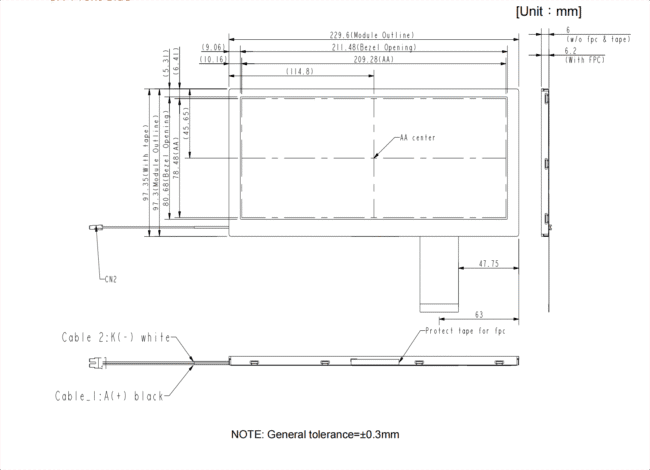
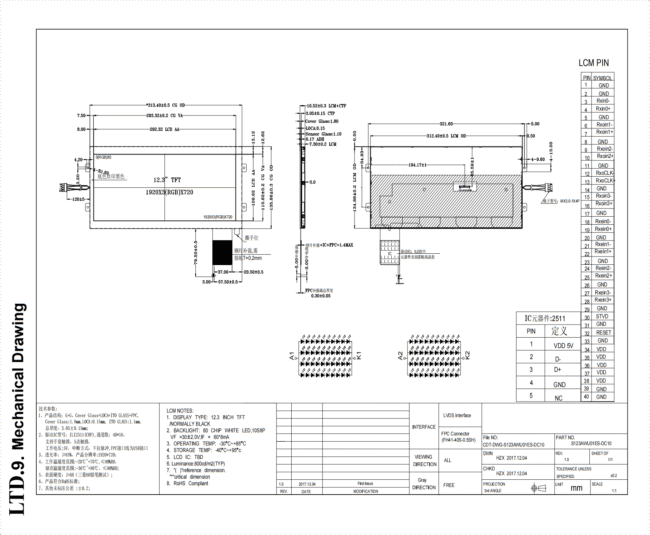
At JIC LCD, we provide a full range of customizable TFT LCD modules, including:
- Size range: 1.3” to 15.6”
- Panel types: TN / IPS / VA
- Resolution: Standard & high-resolution options
- Touch: PCAP & resistive touch integration
- Interfaces: RGB, LVDS, MIPI, SPI
- Operating temperature: -20°C to +70°C (industrial grade available)
All TFT LCD modules support long-term supply and OEM/ODM customization.
👉 Custom solutions available for industrial, medical, and automotive projects.
Future Trends of TFT LCD Technology
Although OLED and MicroLED are gaining attention, TFT LCD continues to evolve:
- Higher brightness with lower power consumption
- Narrow bezel and ultra-thin designs
- Integrated touch and optical bonding
- Enhanced outdoor and industrial-grade performance
- Hybrid display solutions combining TFT with E-paper or OLED
For many professional applications, TFT LCD remains the most cost-effective and stable display technology.
Conclusion
TFT LCD offers a strong balance between performance, reliability, customization flexibility, and cost.
While it may not outperform OLED in contrast or E-paper in power efficiency, it excels in durability, scalability, and industrial readiness.
For B2B customers seeking a long-term, dependable display solution, TFT LCD is still the smart choice.
Frequently Asked Questions (FAQ)
Q1: Is TFT LCD suitable for industrial use?
Yes. TFT LCD is widely used in industrial control systems due to its reliability and long lifespan.
Q2: What is the typical lifespan of a TFT LCD?
Usually 30,000–70,000 hours, depending on backlight and operating conditions.
Q3: Can TFT LCD be customized?
Absolutely. Size, interface, brightness, touch, and housing can all be customized.
Q4: TFT LCD vs OLED – which is better?
OLED offers better contrast, while TFT LCD provides longer lifespan, lower cost, and no burn-in risk.
Q5: Can TFT LCD be used outdoors?
Yes, with high-brightness panels and sunlight-readable treatment.