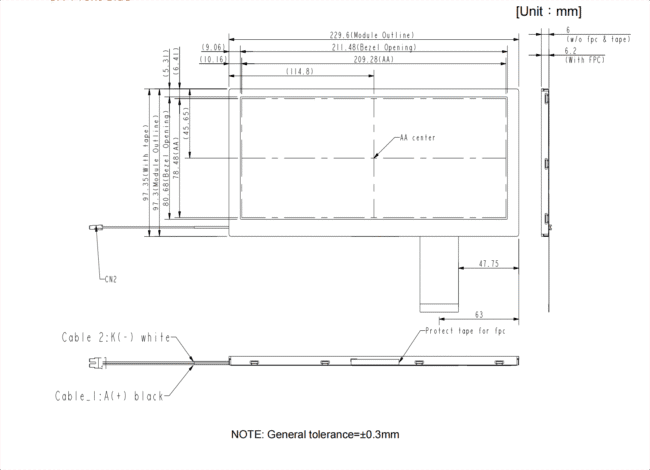
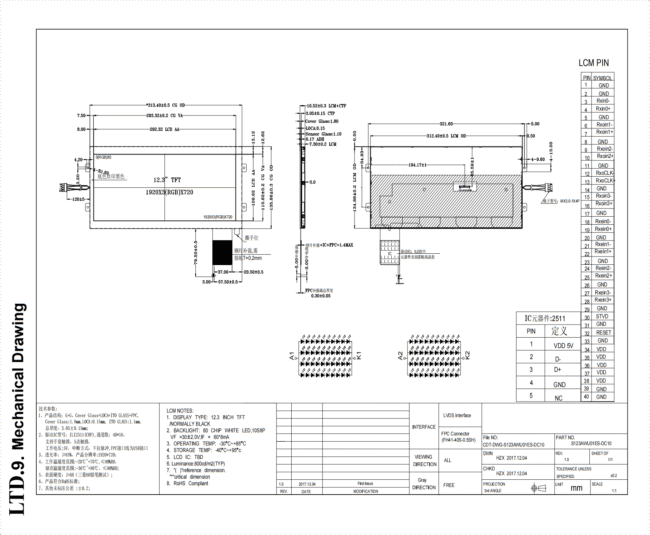
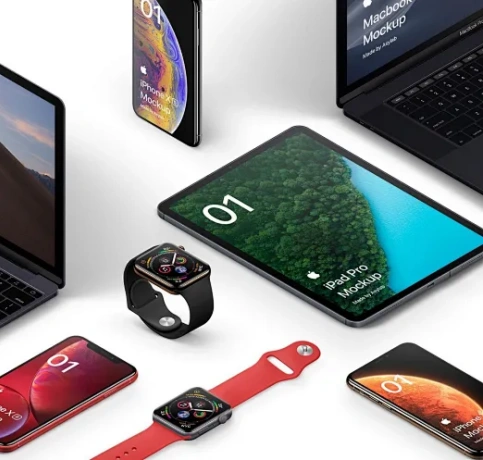
A TFT LCD module display (Thin-Film Transistor Liquid Crystal Display) is an active-matrix flat-panel display technology that uses a layer of liquid crystals sandwiched between two glass substrates, where each pixel is controlled by its own dedicated transistor. Unlike passive matrix displays, this individual transistor control allows for rapid switching, resulting in superior image quality, higher resolution, faster refresh rates, and better color reproduction, making it the dominant technology for everything from smartphone screens to industrial control panels.
The Anatomy of a Modern Visual Interface
When we talk about the screens powering our daily lives, we are almost invariably discussing TFT LCD modules. While OLED has grabbed headlines in the high-end consumer market, TFT LCD remains the workhorse of the electronics industry. But what exactly makes a “module” different from just a “panel”?
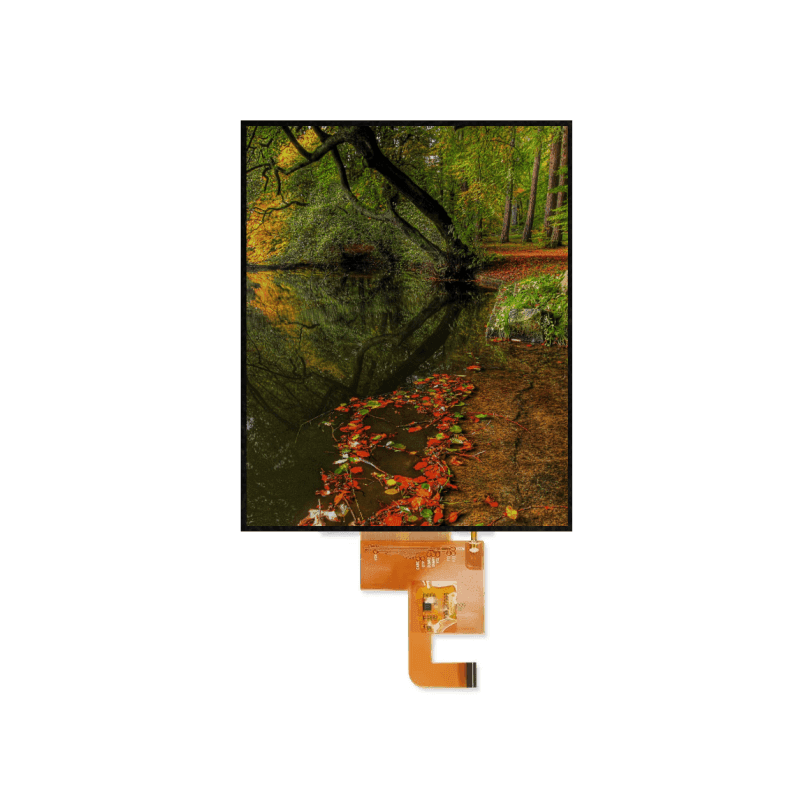
In professional engineering terms, the panel is the raw glass component containing the liquid crystals and the TFT array. The module, however, is the complete, ready-to-integrate unit. It includes the panel, the backlight unit (BLU), the driver ICs (often mounted via COG or TAB bonding), the printed circuit board (PCB) with interface connectors (like MIPI, LVDS, or RGB), and often a touch sensor layer and a protective cover glass. When you buy a “TFT LCD module,” you are buying a plug-and-play visual output solution, not just a piece of glass.
The core innovation here is the Thin-Film Transistor. In older STN (Super Twisted Nematic) displays, pixels were addressed by rows and columns, leading to “ghosting” and slow response times. In a TFT display, a microscopic transistor acts as a switch for every single pixel. This active matrix addressing ensures that the voltage across a pixel is maintained until the next refresh cycle, providing the stability needed for video and complex graphical user interfaces (GUIs).
Core Applications: Where TFT LCDs Thrive
The versatility of TFT LCD modules stems from their ability to be engineered for specific environmental and performance needs. They are not a one-size-fits-all solution; rather, they are highly customizable.
- Consumer Electronics: This is the most visible sector. Smartphones, tablets, laptops, and smart home hubs rely on high-resolution, capacitive-touch integrated TFT modules. The demand here is for thinness, low power consumption, and high pixel density (PPI).
- Automotive Industry: Modern vehicles are filled with screens—digital dashboards, infotainment systems, and rear-seat entertainment. Automotive TFT modules must withstand extreme temperatures (-40°C to +85°C or higher), resist vibration, and maintain readability under direct sunlight (high brightness, often >1000 nits).
- Industrial and Medical Equipment: From factory HMI (Human-Machine Interface) panels to patient monitors in hospitals, reliability is paramount. These modules often feature long-life backlights, wide viewing angles (IPS technology), and compliance with strict safety standards. Unlike consumer goods, these products may need to remain in production for 10-15 years, requiring guaranteed long-term supply chains.
- IoT and Smart Devices: Smart meters, POS terminals, and wearable devices utilize smaller, low-power TFT modules. Here, the focus is often on sunlight readability and optimizing power consumption to extend battery life.
Technical Deep Dive: Pros and Cons
No technology is perfect. While TFT LCD is mature and reliable, it faces stiff competition from OLED and MicroLED, particularly in contrast ratios and form factor flexibility. Below is a comparative analysis based on current engineering standards.
| Feature | Advantages of TFT LCD Modules | Disadvantages/Limitations |
|---|---|---|
| Image Quality | Excellent color accuracy and consistency across the panel. High brightness capabilities (up to 2500+ nits for outdoor use). | Lower contrast ratio compared to OLED due to the inability to turn off individual pixels completely (light bleed). |
| Lifespan | Extremely long operational life. Backlights degrade slowly; no risk of organic material burn-in. | Backlight uniformity can degrade over very long periods (yellowing or dimming). |
| Cost Efficiency | Highly cost-effective for mass production, especially in mid-to-large sizes. Mature supply chain reduces BOM cost. | Thicker than OLED due to the required backlight layer and polarizers. |
| Power Consumption | Constant power draw regardless of image content (backlight is always on). Efficient for static bright images. | Less efficient than OLED when displaying mostly dark content, as the backlight cannot be locally dimmed easily without Mini-LED tech. |
| Durability | Robust against physical stress and environmental factors. Inorganic materials are less susceptible to moisture damage than OLED organics. | Viewing angles, while improved with IPS, can still suffer from color shift at extreme angles compared to top-tier OLEDs. |
| Response Time | Sufficient for most applications (5ms – 20ms). Gaming-specific TN panels can reach 1ms. | Generally slower pixel transition than OLED, potentially causing motion blur in fast-paced scenarios. |
How to Choose the Right TFT LCD Module
Selecting the correct module is a critical design decision that impacts the entire product lifecycle. Based on industry experience, here is a strategic framework for selection:
1. Define the Environmental Constraints
Before looking at resolution, ask: Where will this live?
- Temperature: If the device operates in a car or outdoors, standard commercial grade (0°C to 70°C) won’t suffice. You need Industrial (-20°C to 80°C) or Automotive (-40°C to 95°C) grades. Note that liquid crystals react slower in cold temperatures; specialized heating elements or wide-temp LC fluids may be required.
- Sunlight Readability: For outdoor kiosks or marine instruments, standard 300-500 nits brightness is useless. Look for modules with optical bonding (to reduce reflection) and high-brightness backlights (>1000 nits).
2. Interface Compatibility
Your main processor (MCU/MPU) dictates the interface.
- MCU (8080/6800): Common for small screens (<3.5″) driven by microcontrollers like STM32. Simple but limited bandwidth.
- RGB: Used for medium resolutions, requires many GPIO pins.
- LVDS/eDP: Standard for laptops and larger industrial screens (7″ and up). High speed, fewer wires.
- MIPI DSI: The standard for modern smartphones and high-res Android/Linux boards. High speed, low pin count, but complex to debug.
3. Optical Performance vs. Cost
Do you need IPS (In-Plane Switching) for wide viewing angles and true color, or is a TN (Twisted Nematic) panel sufficient for a simple status display where cost is the primary driver? IPS is now the default for most applications, but TN still holds a niche in ultra-low-cost, low-power segments.
4. Supply Chain Longevity
This is the most overlooked aspect in prototyping. Many cheap modules found on generic marketplaces are “consumer grade” with no guarantee of future availability. If you are building an industrial product with a 10-year lifespan, ensure the manufacturer guarantees the LCM (Liquid Crystal Module) and the underlying Panel will not be discontinued (EOL) prematurely. Always request an “Long-Term Supply” commitment.
5. Touch Integration
Decide early if you need a resistive touch (works with gloves/stylus, lower cost) or capacitive touch (multi-touch, glass feel, better optics). Increasingly, manufacturers offer “On-Cell” or “In-Cell” touch where the sensor is built into the LCD stack, reducing thickness and improving light transmission.
Conclusion
The TFT LCD module remains the backbone of the display industry. While it may lack the “perfect black” of OLED, its combination of reliability, brightness, maturity, and cost-effectiveness ensures it will not be obsolete anytime soon. For engineers and product managers, understanding the nuances between a raw panel and a fully integrated module, and knowing how to match technical specs to environmental realities, is the key to successful product design. Whether you are designing a life-saving medical monitor or a simple smart thermostat, the right TFT LCD module is the window through which your user interacts with your technology.
Frequently Asked Questions (FAQ)
An LCD panel is just the glass layer containing the liquid crystals and transistors; it cannot function on its own. An LCD module is the complete assembly that includes the panel, the backlight unit, driver electronics, interface connectors, and often a touch screen and cover glass. Modules are “plug-and-play,” whereas panels require significant additional engineering to integrate.
Standard TFT LCDs (300–500 nits) are difficult to read in direct sunlight. However, specialized “sunlight readable” TFT modules are available with brightness levels exceeding 1000 nits, often combined with optical bonding (filling the air gap between the touch and display with resin) to reduce internal reflections and improve contrast outdoors.
The lifespan of a TFT LCD is primarily determined by its backlight (usually LED). Typical white LEDs have a rated life of 30,000 to 50,000 hours before their brightness drops to 50% of the original value. In industrial applications with lower brightness settings, this lifespan can be significantly extended. Unlike OLEDs, LCDs do not suffer from “burn-in.”
For Single Board Computers (SBC) like Raspberry Pi or Jetson Nano, HDMI is common for larger screens, while MIPI DSI is preferred for smaller, integrated projects due to its high speed and direct connection to the processor. For simple microcontroller projects (Arduino/STM32), SPI or 8080 parallel (MCU) interfaces are typically used.
Price variations depend on several factors: brightness levels (high brightness costs more), temperature range (automotive/industrial grade is pricier), touch technology (capacitive vs. resistive), optical bonding, and supply chain guarantees. Additionally, customizations like specific connector placements, firmware adjustments, or ruggedized glass significantly increase the unit cost compared to off-the-shelf consumer components.