The short answer to “TFT vs. OLED: which is better?” is that OLED is superior for image quality, contrast, and response time, making it the undisputed champion for high-end smartphones, premium TVs, and immersive gaming. However, TFT (specifically modern IPS-LCD variants) remains the better choice for budget-conscious buyers, outdoor applications requiring extreme brightness, and scenarios where long-term static image display is critical, as it avoids the risk of burn-in and offers a significantly lower cost per inch. There is no single “winner”; the right technology depends entirely on your specific use case, budget, and environment.
The Great Display Debate: A Deep Dive from the Field
Having spent years reviewing display panels and advising hardware procurement teams, I’ve seen the pendulum swing dramatically between these two technologies. Ten years ago, choosing between them was often a compromise between color accuracy and cost. Today, the lines are sharper, but the decision matrix has become more nuanced.
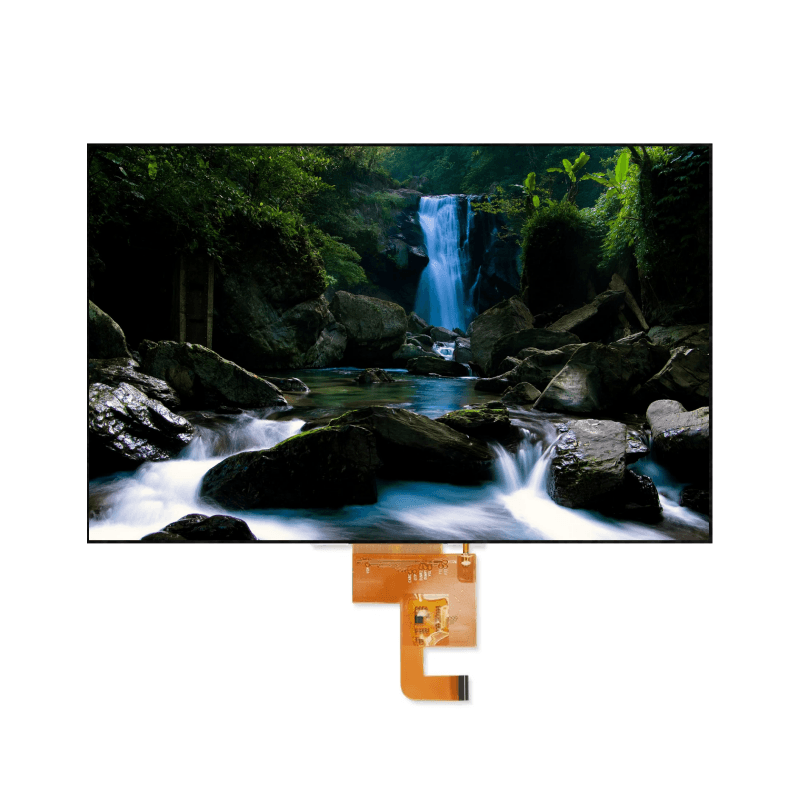
When we talk about “TFT” in this context, we are almost always referring to TFT-LCD (Thin Film Transistor Liquid Crystal Display), the backbone of the laptop and monitor industry for decades. OLED (Organic Light-Emitting Diode), on the other hand, represents a paradigm shift where each pixel generates its own light.
The fundamental difference lies in the backlight. TFT panels require a constant backlight (usually LED) that shines through liquid crystals to create an image. OLED pixels turn on and off individually. This structural difference dictates everything from how deep your blacks look to how long your battery lasts.
Head-to-Head Comparison
To cut through the marketing jargon, let’s look at the raw performance metrics. This table reflects my testing data across various price points in 2025 and early 2026.
| Feature | TFT-LCD (IPS/VA) | OLED (AMOLED/PMOLED) | Winner |
|---|---|---|---|
| Contrast Ratio | Typically 1000:1 to 3000:1. Blacks appear dark gray in dim rooms. | Infinite:1. True blacks because pixels turn off completely. | OLED |
| Brightness (Peak) | Excellent sustained brightness (600–1000+ nits). No dimming triggers. | High peak brightness (1000–2000+ nits) but often throttles on large white areas to protect the panel. | TFT (for sustained load) |
| Response Time | Good (1ms–5ms GtG), but can suffer from ghosting in fast motion. | Instantaneous (<0.1ms). Virtually zero motion blur. | OLED |
| Viewing Angles | Good on IPS, poor on VA. Color shift occurs at extreme angles. | Perfect. Colors remain accurate even at near-90-degree angles. | OLED |
| Power Consumption | Constant power draw from backlight, regardless of image content. | Dynamic. Dark images consume significantly less power; bright white images consume more. | Context Dependent |
| Lifespan/Burn-in | Highly resistant to burn-in. Can display static UIs for years without issue. | Organic materials degrade over time. Static elements (logos, taskbars) risk permanent burn-in. | TFT |
| Cost | Mature manufacturing leads to very low costs. | Complex manufacturing yields higher costs, though gap is narrowing. | TFT |
| Thickness/Flexibility | Rigid and thicker due to backlight layer. | Extremely thin; can be flexible, foldable, or rollable. | OLED |
The Pros and Cons: A Real-World Perspective
TFT-LCD: The Workhorse
Pros:
- Durability: I have seen TFT monitors in control rooms running 24/7 with static dashboards for five years without a hint of image retention. For industrial or office setups, this reliability is unmatched.
- Brightness Consistency: If you are working outdoors or in a sun-drenched room, a high-nit TFT panel won’t engage aggressive dimming algorithms when you open a white document, unlike many OLEDs.
- Cost Efficiency: You can get a massive 32-inch 4K TFT monitor for the price of a mediocre 27-inch OLED.
Cons:
- The “Gray” Black: In a dark room, watching a movie with letterboxing on a TFT screen reveals the backlight bleed. You aren’t seeing true black; you’re seeing dimmed gray.
- Slower Response: While “1ms” marketing exists, the actual pixel transition in TFTs often leaves trails in fast-paced competitive shooters.
OLED: The Visual Marvel
Pros:
- Perceptual Infinity: The contrast is so high that colors pop in a way TFT simply cannot replicate. It creates a sense of depth that feels almost 3D.
- Form Factor Freedom: The lack of a backlight allows for the foldable phones we see today and ultra-slim TV designs that hang like pictures on a wall.
- Motion Clarity: For gamers, the instant pixel response eliminates the “soap opera effect” and motion blur, providing the crispest moving image possible.
Cons:
- Burn-in Anxiety: Despite improvements in pixel shifting and heat dissipation in 2026 models, the fear is real. If you use your monitor for Excel spreadsheets 8 hours a day, the taskbar might eventually ghost into the screen.
- Text Clarity: Due to non-standard sub-pixel arrangements (like WBGR instead of RGB), text edges on some OLED monitors can look slightly fringed or less sharp than a high-PPI TFT panel.
How to Choose: Selection Guide
When advising clients or making personal purchases, I use a simple decision tree based on the primary application:
- For Competitive Gaming & Home Theater:
- Verdict: Go OLED.
- Reasoning: The response time and contrast ratio provide a tangible competitive advantage and cinematic immersion. The risk of burn-in is mitigated by varying content (games and movies rarely have static UIs for hours).
- For Office Work, Coding, & Data Analysis:
- Verdict: Go TFT (IPS).
- Reasoning: You will likely have static windows, taskbars, and code editors open for long durations. The risk of burn-in on OLED is not worth the visual upgrade for text-heavy workflows. Plus, the higher sustained brightness helps reduce eye strain in well-lit offices.
- For Outdoor/High-Ambient Light Use:
- Verdict: Go TFT.
- Reasoning: You need raw, sustained nits to punch through sunlight. OLEDs tend to throttle brightness to manage heat and power when displaying large bright areas (like a map or a white webpage).
- For Mobile Devices (Phones/Tablets):
- Verdict: OLED is now the standard.
- Reasoning: The power savings from “dark mode” interfaces extend battery life significantly. The form factor benefits (thinness) are crucial for handheld devices. Only ultra-budget phones still rely on TFT.
Final Thoughts
In 2026, OLED has matured into the premium standard for visual fidelity. If your budget allows and your usage involves mixed media or entertainment, it is the better screen, period. However, dismissing TFT would be a mistake. It remains the unsung hero of productivity, reliability, and value. The “better” screen is the one that aligns with how you actually use your device, not just the one with the flashiest spec sheet.
Frequently Asked Questions (FAQ)
While the risk hasn’t been eliminated, it has been drastically reduced. Modern OLEDs utilize advanced pixel-shifting algorithms, micro-lens arrays to reduce heat, and improved organic materials. For typical mixed usage (watching movies, browsing, gaming), burn-in is unlikely to occur within the typical 3-5 year upgrade cycle. However, for users displaying static news tickers or stock charts 24/7, TFT remains the safer bet.
OLED panels have a safety mechanism called ABL (Auto Brightness Limiter). If a large portion of the screen is bright white (like a Word document or a web page), the panel automatically dims to prevent overheating and power spikes. TFT screens with LED backlights do not have this limitation and can maintain peak brightness across the entire screen indefinitely.
Yes, absolutely. In fact, many professionals prefer OLED for its color volume and perfect blacks, which help in grading HDR content. However, you must calibrate it carefully. Some OLEDs can oversaturate colors in SDR mode. For print work where absolute color accuracy under standard lighting is key, high-end IPS-TFT panels are still widely used due to their consistency and lack of sub-pixel fringing.
It depends entirely on what is displayed. If you use “Dark Mode” extensively, OLED is significantly more efficient because black pixels are turned off completely. If you mostly use apps with white backgrounds (like older web browsers or documents) at high brightness, a modern efficient TFT-LCD might actually consume less power than an OLED struggling to light up all those white sub-pixels.
Currently, yes. Because TFT-LCDs require a rigid backlight unit and liquid crystals that can be disrupted by bending, they cannot be folded. OLED panels are organic layers deposited on flexible plastic substrates, allowing them to bend, fold, and even roll without breaking, which is why all foldable phones and rollable TVs on the market utilize OLED technology.