Which is Better, TFT LCD or OLED? A Complete Guide for Engineers & Product Designers
When developing a new electronic product—whether it’s a medical device, industrial HMI, smart wearable, or automotive dashboard—one of the most
When developing a new electronic product—whether it’s a medical device, industrial HMI, smart wearable, or automotive dashboard—one of the most critical hardware decisions you’ll make is choosing the right display technology. Two dominant options dominate the market: TFT LCD and OLED.
But which one is better?
The truth is: there’s no universal winner. The “best” display depends entirely on your application’s requirements—budget, environment, power constraints, visual performance, and expected lifespan.
In this comprehensive guide, we break down the core differences between TFT LCD and OLED displays, compare their strengths and weaknesses head-to-head, and help you determine which technology aligns with your next project.
TFT LCD (Thin-Film Transistor Liquid Crystal Display) is a mature, widely adopted display technology that uses a backlight (typically LED-based) combined with liquid crystal layers to control light transmission pixel by pixel. Each pixel is controlled by its own transistor, enabling fast response times and high resolution.
Key Characteristics:
Requires a backlight to produce visible images
Available in variants like IPS, TN, and VA panels
Excellent color consistency and brightness stability
Proven reliability in harsh environments (wide temperature ranges, high humidity)
Common Applications:
Industrial control panels
Medical monitors
POS systems
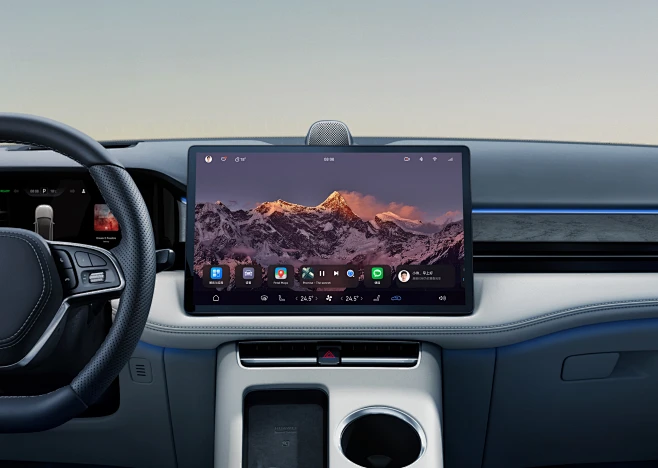
Automotive dashboards
Test and measurement equipment
💡 Did you know? Over 70% of industrial displays still use TFT LCD due to its robustness and cost efficiency.
What Is OLED?
OLED (Organic Light-Emitting Diode) is a self-emissive technology where each pixel generates its own light when an electric current is applied. Because no backlight is needed, OLED displays can achieve true blacks, infinite contrast ratios, and ultra-thin form factors—even flexible or curved designs.
Key Characteristics:
No backlight required → deeper blacks and higher contrast
Faster response time (<0.1ms vs. ~10ms for LCD)
Wider viewing angles without color shift
Potential for flexible, foldable, or transparent displays
Common Applications:
Smartwatches and fitness trackers
High-end smartphones and tablets
Automotive infotainment systems
AR/VR headsets
Premium consumer electronics
⚠️ Note: OLED’s organic materials degrade over time, which can lead to “burn-in” if static images are displayed for extended periods.
TFT LCD vs OLED: Head-to-Head Comparison
To help you evaluate objectively, here’s a detailed comparison across key performance and design criteria:
Feature
TFT LCD
OLED
Image Quality
Good color accuracy; limited contrast due to backlight bleed
Constant power draw from backlight (higher overall)
Power scales with content—black pixels use zero power (ideal for dark UIs)
Lifespan & Reliability
Long lifespan (>50,000 hours); no burn-in risk
Shorter lifespan (~30,000 hours); potential burn-in with static content
Brightness & Outdoor Visibility
Typically brighter (800–1500 nits); better sunlight readability
Peak brightness improving, but average brightness often lower; glare can be an issue
Operating Temperature
Stable performance from -30°C to +85°C (industrial-grade)
Performance degrades at extremes; not ideal for very hot/cold environments
Thickness & Weight
Thicker due to backlight unit
Ultra-thin and lightweight; enables slimmer product designs
Flexibility
Rigid only
Can be made flexible, curved, or even rollable
Cost (Especially >5″)
Lower cost per inch; economies of scale
Significantly more expensive, especially for large or custom sizes
Pro Tip: For battery-powered devices with dynamic interfaces (e.g., smartwatches), OLED often saves more power. For 24/7 industrial monitors showing static data, TFT LCD wins on longevity.
When to Choose TFT LCD
Opt for TFT LCD if your project prioritizes:
Cost efficiency – Especially for medium to large displays (5″ and above)
Long-term reliability – No risk of image retention or burn-in
High brightness & outdoor visibility – Critical for kiosks, agricultural machinery, or marine displays
Wide temperature operation – Industrial or automotive applications in extreme climates
Simplified integration – Mature driver IC ecosystem and stable supply chain
Example: A factory automation client selected a 10.1-inch industrial TFT LCD with sunlight-readable brightness (1000 nits) for continuous 24/7 operation—ensuring zero downtime over 7+ years.
When to Choose OLED
Choose OLED when your design demands:
Premium visual experience – Deep blacks, high contrast, and vivid colors
Ultra-slim or curved form factors – Essential for wearables or futuristic UIs
Low power in dark-mode interfaces – Ideal for battery-constrained IoT devices
Fast motion rendering – Beneficial for gaming peripherals or AR/VR
Differentiation – Stand out in competitive consumer markets
Example: A medical wearable startup used a 1.5-inch circular OLED to create a sleek, lightweight patient monitor with always-on vitals—extending battery life by 30% thanks to dark UI optimization.
Emerging Trends: What’s Next in Display Tech?
While TFT LCD and OLED dominate today, new hybrid and next-gen technologies are blurring the lines:
Mini-LED Backlit TFT: Combines LCD’s reliability with local dimming for near-OLED contrast
LTPO OLED: Dynamically adjusts refresh rate (1–120Hz) to slash power consumption
Micro-OLED: Tiny, high-PPI displays for AR glasses and military optics
Cost Convergence: OLED prices are falling—especially in small sizes (<6″)—making them viable for mid-tier products
Stay informed: The gap is narrowing, but application fit remains king.
Final Verdict: Which Is Better?
So, which is better—TFT LCD or OLED?
👉 Choose TFT LCD if you need: ✔️ Durability ✔️ Cost control ✔️ High brightness ✔️ Long operational life
👉 Choose OLED if you need: ✔️ Visual excellence ✔️ Thin/flexible design ✔️ Power efficiency (with dark UI) ✔️ Market differentiation
There’s no “one-size-fits-all.” The best choice aligns with your product’s purpose, environment, and user experience goals.
Need Help Selecting the Right Display?
At Shenzhen JicTech LCD Co., Ltd., we supply high-reliability TFT LCD and OLED display modules engineered for industrial, medical, automotive, and consumer applications. From standard 2.4″ to custom 15.6″ solutions—with touch, wide temperature support, and long-life guarantees—we help global OEMs integrate the perfect display, faster.
Experience seamless assistance from our team of Trade Account Managers for everything from quotes to delivery – and every aspect of your order in between. Our trade experts are here to help!
Need More Information?
If you haven’t found what you need, submit your inquiry via our contact form.
[email protected]
Contact us
Leave your inquiry, we will provide you with quality products and services!