The answer to whether OLED is better than IPS depends on your specific needs and use cases. OLED (Organic Light-Emitting Diode) generally outperforms IPS (In-Plane Switching) in contrast ratios and response times, making it excellent for media consumption and gaming. However, IPS offers superior color accuracy and wider viewing angles, which are crucial for professional design and office work. Ultimately, neither is universally better; the choice hinges on factors like application, budget, and personal preferences.
What is OLED?
OLED is a display technology where each pixel emits its own light, eliminating the need for a backlight. This allows for perfect blacks, as pixels can turn off individually. OLED displays are known for their vivid colors, high contrast, and slim designs. They are commonly used in high-end televisions, smartphones, and wearable devices.
Advantages of OLED:
- Infinite contrast ratio due to true blacks.
- Faster response times, reducing motion blur.
- Thinner and more flexible, enabling curved or foldable screens.
- Wider color gamut for vibrant visuals.
Disadvantages of OLED:
- Risk of burn-in from static images over time.
- Generally shorter lifespan compared to IPS.
- Higher cost for manufacturing and purchase.
- Can be less bright in direct sunlight.
Applications: OLED is prevalent in consumer electronics like premium TVs, smartphones (e.g., from Samsung and Apple), VR headsets, and automotive displays.
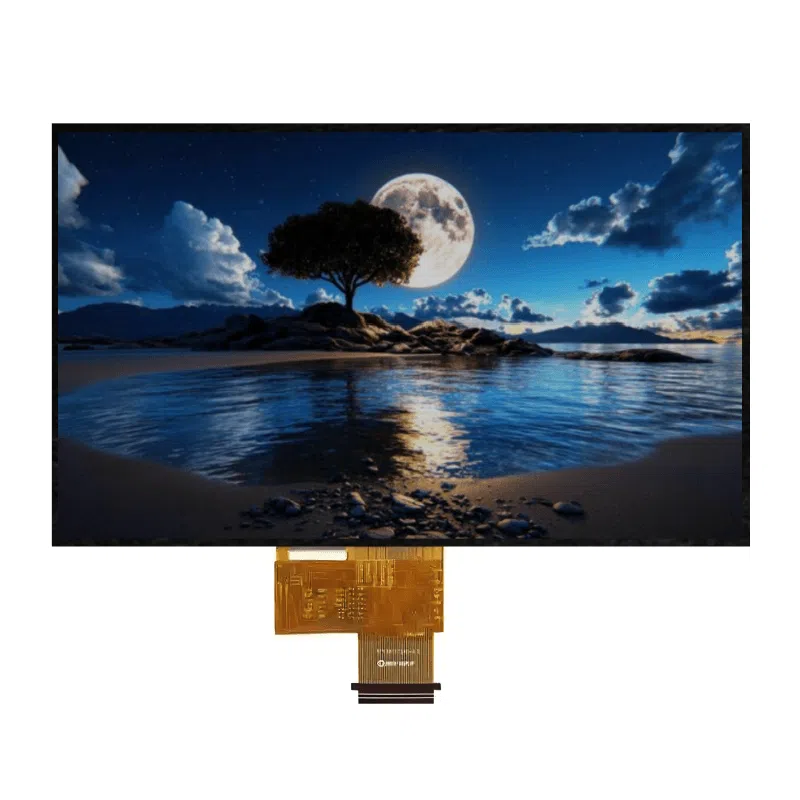
What is IPS?
IPS is a type of LCD (Liquid Crystal Display) technology that aligns liquid crystals horizontally to provide consistent color and brightness across wide viewing angles. It relies on a backlight, which can limit contrast but ensures stable performance. IPS panels are widely used in monitors, laptops, and tablets.
Advantages of IPS:
- Excellent color accuracy and consistency.
- Wide viewing angles with minimal color shift.
- Lower risk of burn-in, making them durable for static content.
- Generally more affordable than OLED.
Disadvantages of IPS:
- Lower contrast ratios, with grayer blacks.
- Slower response times, which may cause ghosting in fast-paced scenes.
- Potential for backlight bleeding, affecting uniformity.
- Thicker designs due to backlight layers.
Applications: IPS is common in professional monitors for graphic design, medical imaging, office work, and general-purpose laptops and displays.
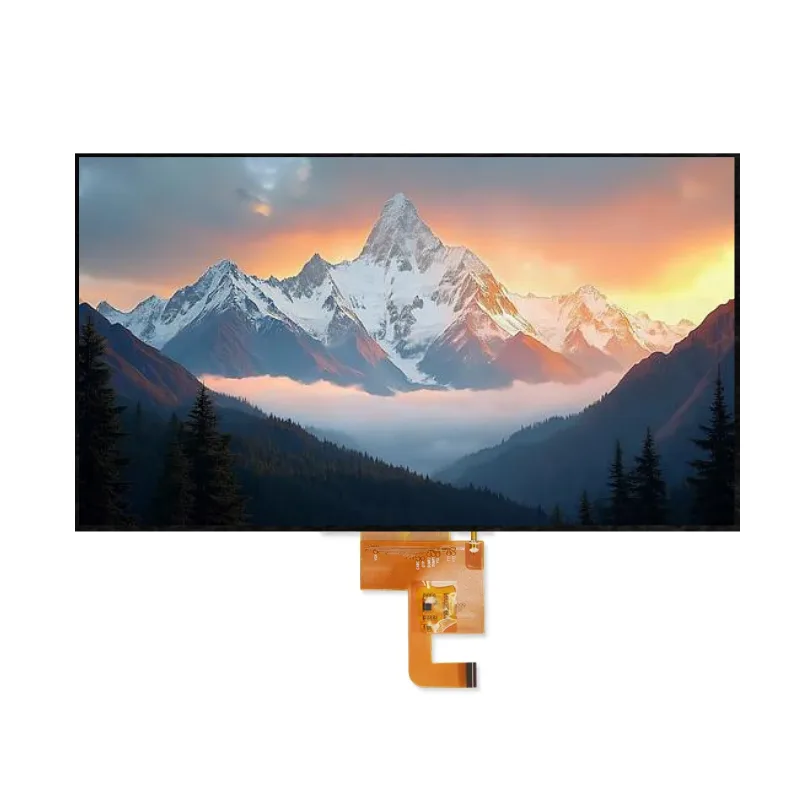
Performance Comparison Table
Below is a table comparing key performance metrics of OLED and IPS displays:
| Feature | OLED | IPS |
|---|---|---|
| Contrast Ratio | Infinite (perfect blacks) | Typically 1000:1 (limited by backlight) |
| Color Accuracy | Good, but may vary | Excellent, ideal for color-critical work |
| Response Time | Very fast (0.1ms) | Slower (4-8ms) |
| Viewing Angles | Wide, but can degrade at extreme angles | Very wide with minimal degradation |
| Power Consumption | Lower when displaying dark content | Higher due to constant backlight |
| Lifespan | Shorter (may degrade over time) | Longer (more resistant to burn-in) |
| Price | Higher cost | More affordable |
| Best For | Gaming, movies, mobile devices | Professional design, office use, multi-user setups |
How to Choose Between OLED and IPS
Selecting between OLED and IPS involves considering your primary use case, budget, and priorities. Here’s a guide to help you decide:
Choose OLED if:
- You prioritize deep blacks and high contrast for watching movies or HDR content.
- You are a gamer who values fast response times and immersive visuals.
- You prefer sleek, thin designs for devices like smartphones or TVs.
- Budget is not a constraint, and you can manage burn-in risks by varying content.
Choose IPS if:
- You need accurate colors for professional tasks like photo editing or graphic design.
- You require wide viewing angles for collaborative work or multi-user environments.
- You want a durable display for static content, such as in offices or digital signage.
- You are on a tighter budget and seek reliable performance.
Selection Reasons: OLED excels in entertainment scenarios due to its emissive technology, while IPS is a workhorse for accuracy and consistency. Assess factors like usage hours, ambient lighting, and content type to make an informed choice.
Conclusion
In summary, OLED and IPS are both advanced display technologies with distinct strengths. OLED leads in contrast and responsiveness, ideal for immersive experiences, whereas IPS shines in color fidelity and viewing angles, suited for professional and everyday use. The “better” choice is subjective and depends on individual needs. By evaluating performance metrics and applications, you can select the display that best aligns with your requirements.
Frequently Asked Questions (FAQ)
1. What is OLED burn-in, and how can I prevent it?
OLED burn-in occurs when static images are displayed for prolonged periods, causing permanent retention. To prevent it, vary content, use screen savers, reduce brightness, and enable pixel-shifting features if available.
2. Is IPS better for eyes than OLED?
IPS displays often have matte coatings and consistent backlighting, which can reduce eye strain in bright environments. OLED’s PWM (Pulse Width Modulation) dimming might cause discomfort for some users, but both technologies can be eye-friendly with proper settings like blue light filters.
3. Which is better for gaming: OLED or IPS?
OLED is generally better for gaming due to its faster response times and higher contrast, enhancing motion clarity and immersion. However, IPS panels with high refresh rates are also popular for their color accuracy and wider viewing angles, especially in competitive gaming.
4. Can OLED displays be used for professional photo editing?
While OLED offers vibrant colors, it may not be as accurate as calibrated IPS displays for professional photo editing. IPS is preferred for color-critical work due to its consistency, but high-end OLEDs with proper calibration can be suitable for certain creative tasks.
5. How long do OLED and IPS displays typically last?
IPS displays often last longer, with lifespans exceeding 50,000 hours, due to lower burn-in risk. OLED displays have shorter lifespans, around 30,000 to 40,000 hours, as organic materials degrade over time, but advancements are improving durability.