Industrial displays vs. consumer displays
The core difference is: Industrial display panels are designed for long-term, stable operation in harsh environments, while consumer display panels are designed for high image quality and low cost in good environmental conditions.
| Aspect | 🏭 Industrial Display Panel | 📱 Consumer Display Panel |
|---|---|---|
| Operating Environment | Wide temperature range (typically -30°C to +85°C), withstands high humidity, vibration, salt spray, dust. | Room temperature (0°C to 50°C), only suitable for clean, dry indoor environments. |
| Brightness | High brightness (typically 500 ~ 1500 cd/m²), sunlight readable. | Medium to low brightness (200 ~ 400 cd/m²), for indoor use – not readable under strong light. |
| Service Life | Backlight life 50,000 ~ 100,000 hours, supports 24/7 continuous operation for years. | Backlight life 15,000 ~ 30,000 hours, suitable for intermittent daily use. |
| Reliability | High resistance to vibration, shock, humidity, mold, and ESD (electrostatic discharge). | Meets only basic requirements for daily handling and home environments. |
| Display Technology | Often uses industrial‑grade LCD (e.g., TN, IPS‑Pro) with emphasis on stability, viewing angle consistency, and no image sticking. | Uses consumer‑grade LCD or OLED, pursues wide color gamut, high refresh rate, high contrast, narrow bezels. |
| Interfaces & Driving | Provides direct‑drive interfaces such as LVDS, eDP, RGB – can connect directly to industrial mainboards (ARM, FPGA) with long‑life driver ICs. | Typically integrates MIPI or eDP interfaces, paired with consumer SoCs; driver boards are updated rapidly. |
| Product Availability | Many long‑lifecycle models (supplier guarantees ≥5 years of production). Common sizes follow industrial ratios (e.g., 5.7″, 10.4″, 12.1″, 15″). | Sizes and models change very quickly, commonly 16:9 ratios (e.g., 5″, 6.8″, 10.1″, 13.3″). Older models are quickly discontinued. |
| Price | Expensive (several times the price of a consumer panel of the same size) | Low cost, driven by intense competition in the consumer electronics market. |

Why do these differences exist?
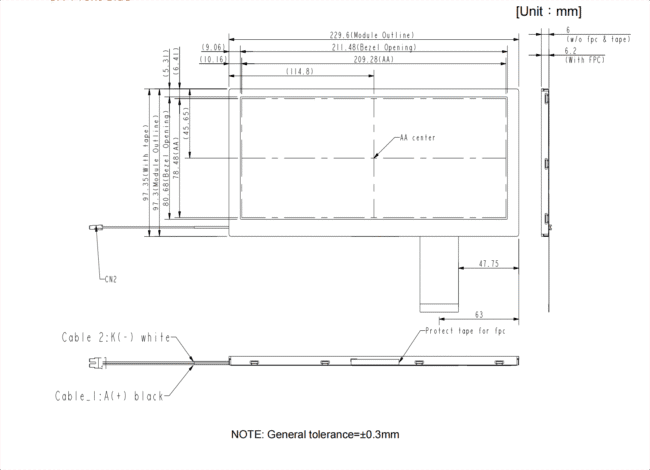
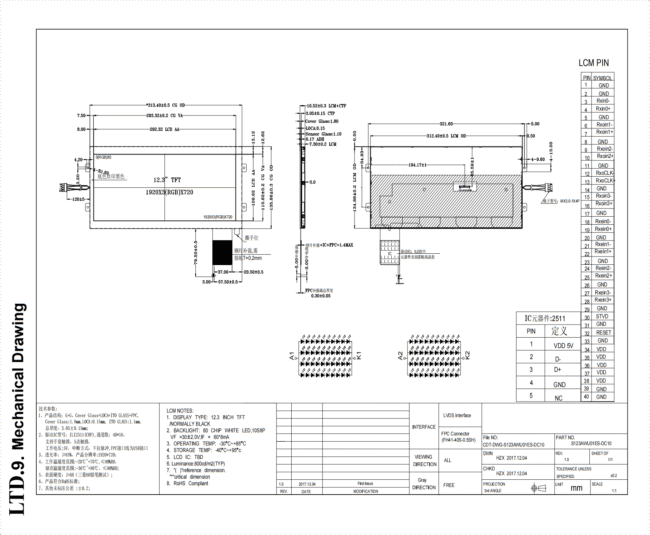
- Industrial panels are used in industrial HMIs, medical devices, automotive dashboards, outdoor fuel dispensers, avionics, etc. A panel failure could cause production line shutdown or safety risks, so they must be rugged, durable, and have stable supply.
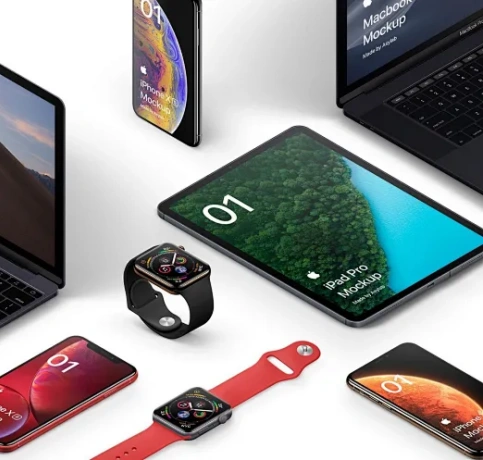
- Consumer panels are used in smartphones, TVs, tablets, and laptops. Manufacturers pursue attractive design, slimness, vibrant colors, and drive down cost through rapid iteration.
In practice, many industrial-grade monitors (complete units) contain industrial display panels inside; consumer monitors (e.g., home desktop monitors) use consumer display panels.
In one sentence
Industrial display panels compete on reliability and lifespan; consumer display panels compete on visual performance and cost‑effectiveness. If you need a screen that can work 24/7 outdoors or in a factory, choose an industrial panel. If you are building a home monitor or a tablet, a consumer panel is sufficient.